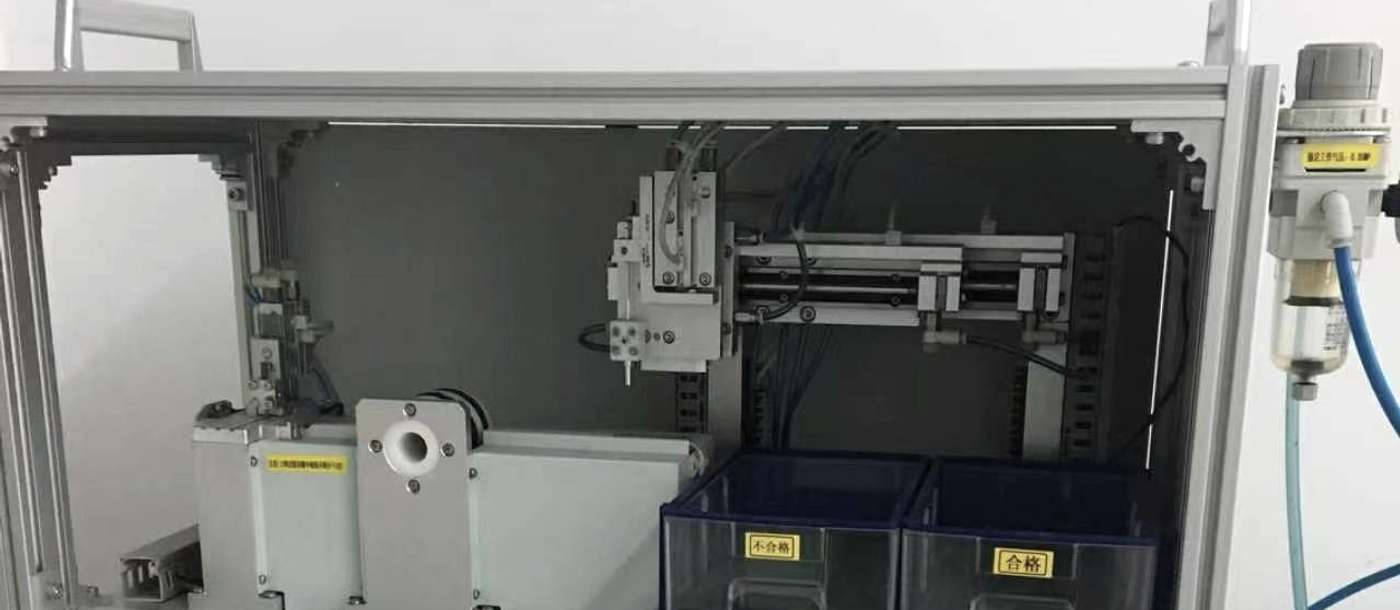
Coating
Consider nickel, zinc, epoxy or phosphating according to environment, contact and fit requirements.
Explore coating contextSINTERED NdFeB / MATERIAL FAMILY
Custom sintered NdFeB magnets are evaluated as a material family: grade, temperature, coating, magnetization and geometry stay connected to the application and the drawing.
A material-led starting point for engineers, buyers and distributors qualifying a drawing-led magnet project.
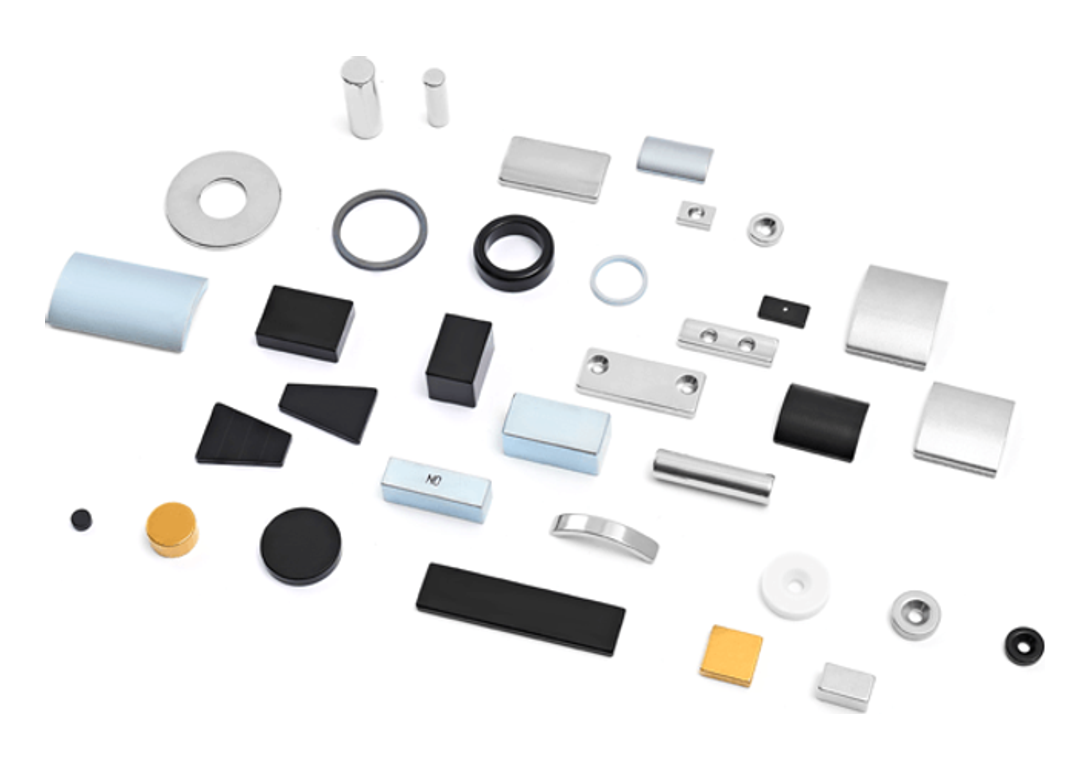
MATERIAL SNAPSHOT
Define the variables that make a family-level review useful.
01 / MATERIAL BASIS
Sintered neodymium-iron-boron magnets support high magnetic energy density applications where the available space, magnetic target and mechanical envelope must be resolved together.
The useful question is not only which grade is listed. It is whether the material, geometry, coating, magnetization direction and operating context form a workable specification for the assembly.
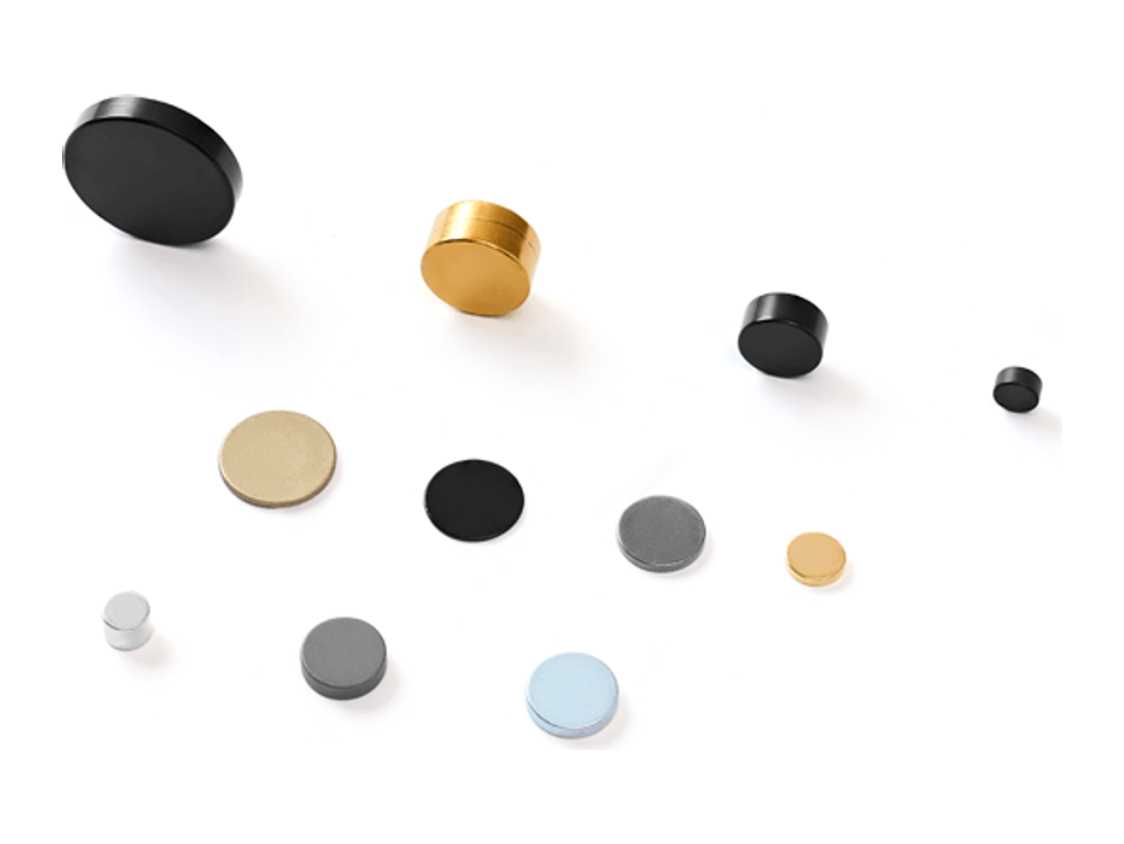
02 / GRADE AND TEMPERATURE
The current family context is N25–N52. Temperature suffixes provide a review language, while final values and suitability remain subject to the approved drawing, specification and project inspection.
03 / ENGINEERING VARIABLES
These decisions are not finishing details added at the end. They influence fit, exposure, polarity, assembly behavior and the release basis of the finished magnet.
Consider nickel, zinc, epoxy or phosphating according to environment, contact and fit requirements.
Explore coating contextDefine the direction and polarity against reference faces, the drawing and the assembly’s magnetic path.
Define magnetization directionUse the working environment to frame grade review and keep temperature decisions connected to the actual part.
Review temperature context04 / GEOMETRY ROUTING
Once the material family is understood, move to the primary shape owner that best matches the assembly. If the shape is not standard, the drawing becomes the route.
Disc magnetsRound parts for compact assemblies and axial or diametral requirements. 02 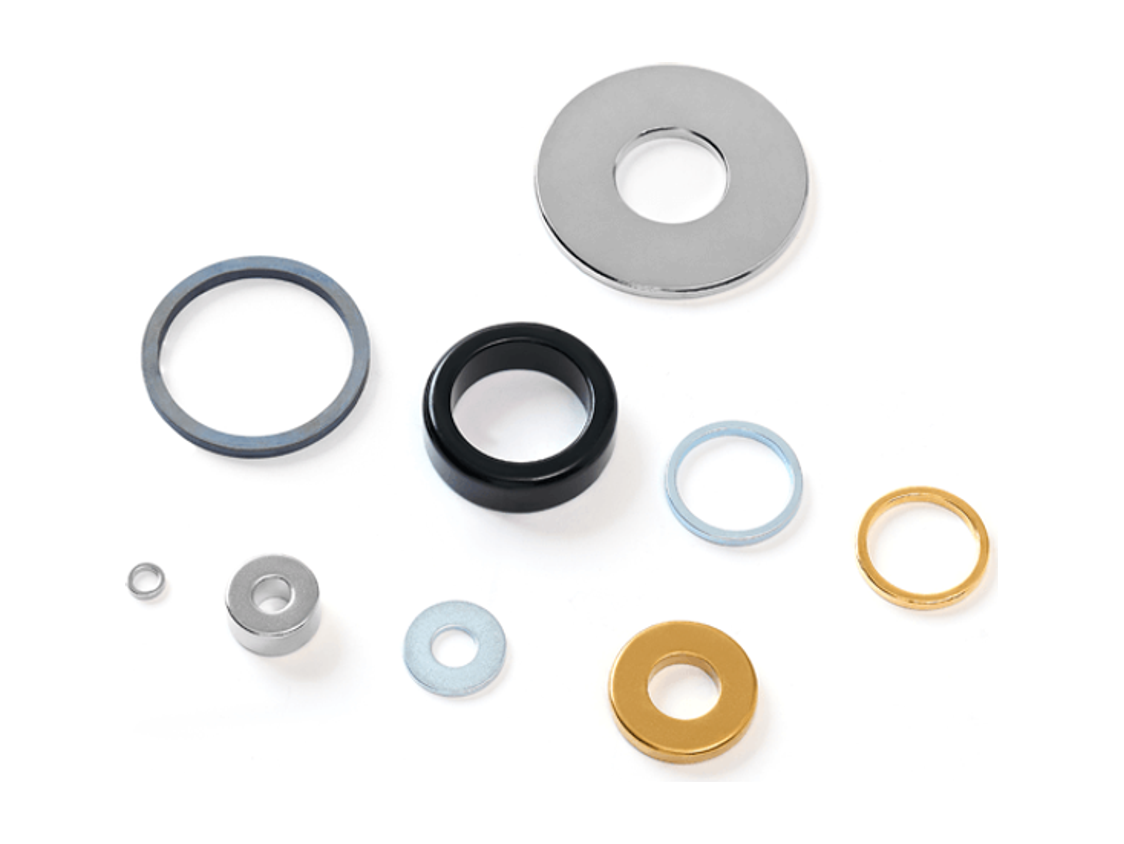 Ring magnetsAnnular geometry where bore, face and magnetization stay connected. 03
 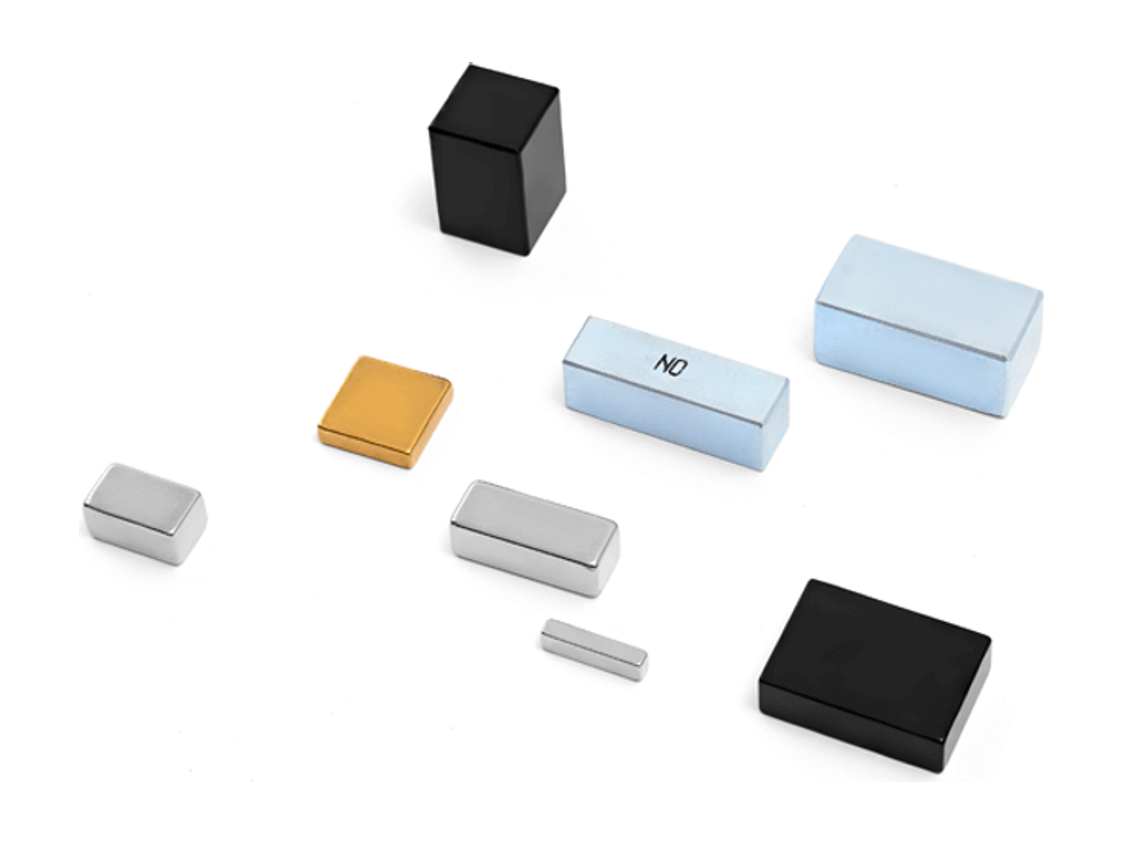 Block magnetsRectangular envelopes for assemblies that need controlled faces and edges. 04
 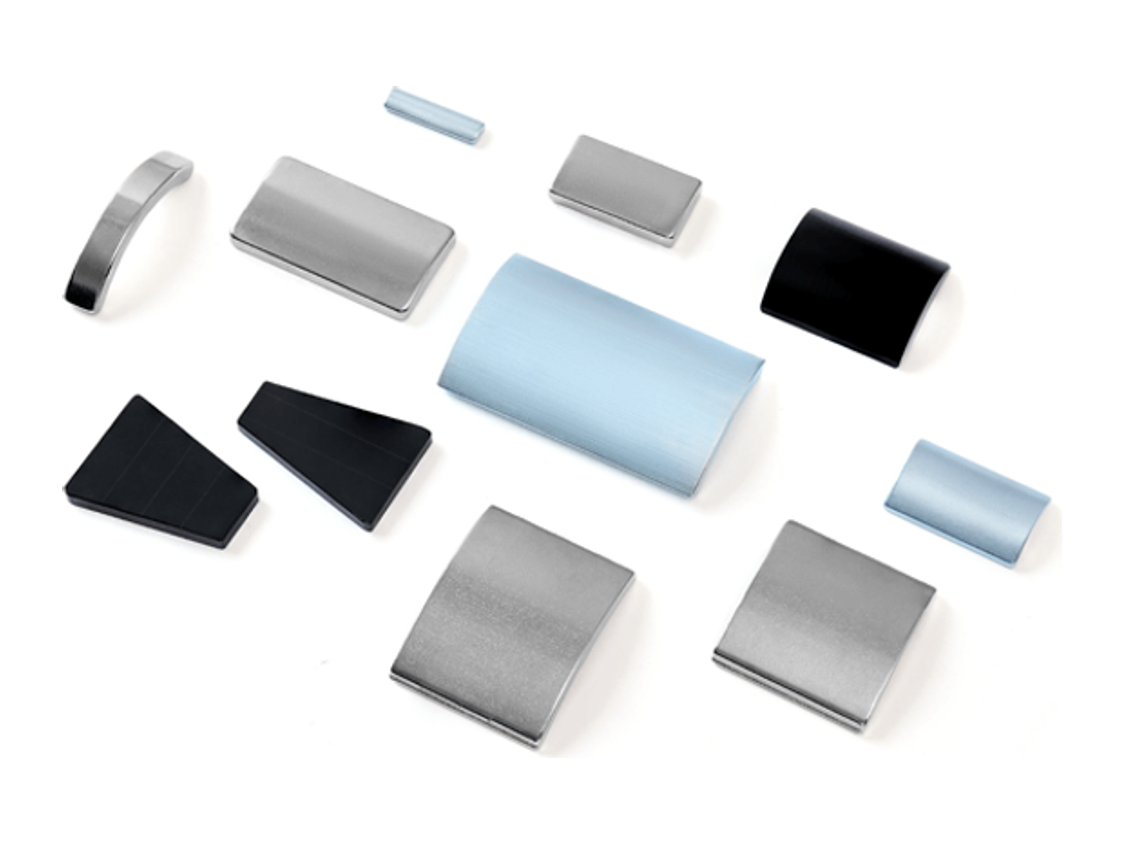 Racetrack / ovalElongated profiles for application-led placement and magnetic coverage. 05
 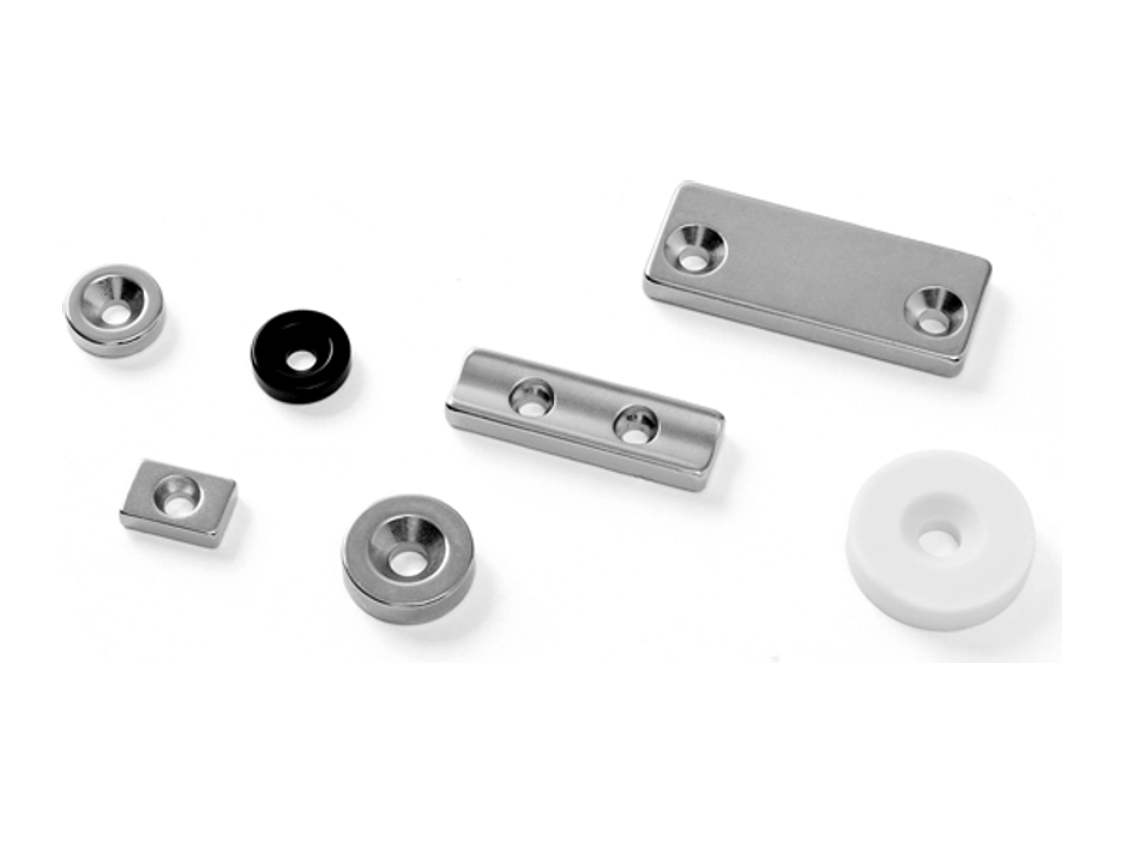 Countersunk magnetsRecessed fixing geometry reviewed with fit, coating and edge condition. 06
 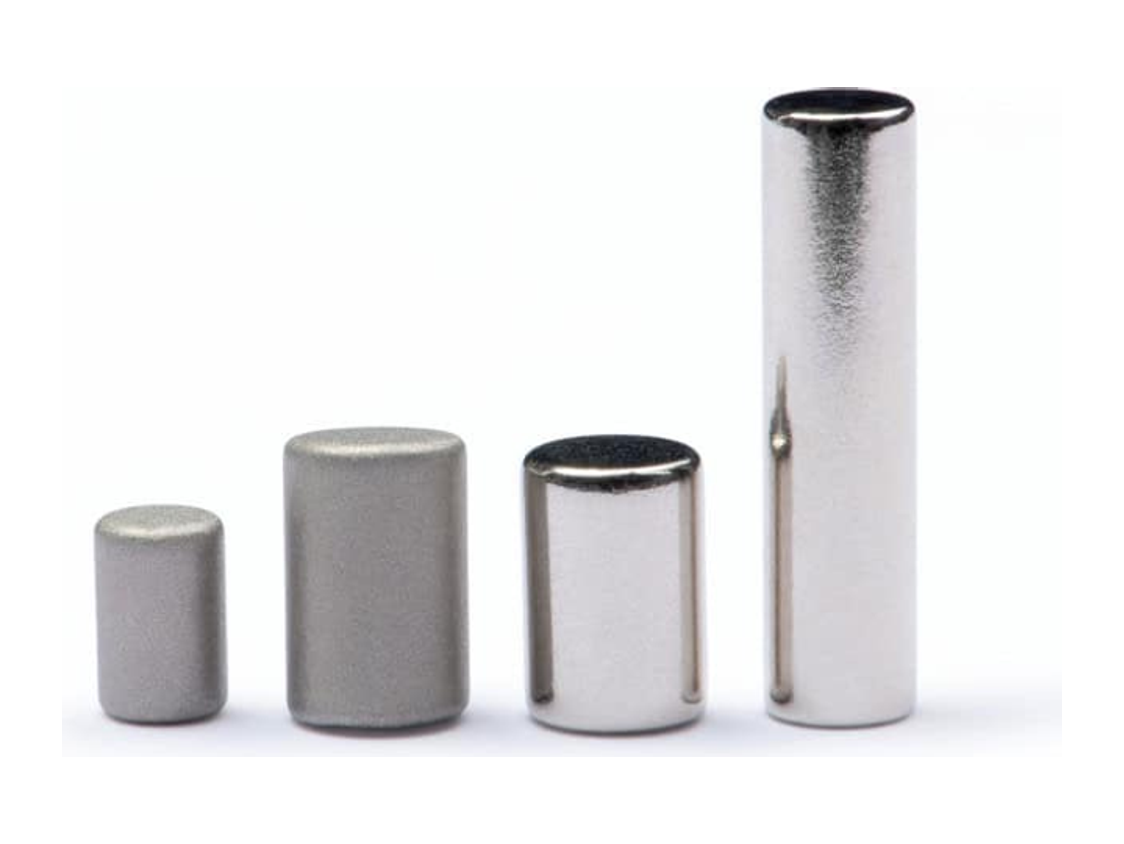 Custom shapesNon-standard profiles that need the drawing, application and release basis together.
 CUSTOM TO DRAWING
Send the dimensions, drawing or application context and define the material variables around the part.
Review a Custom Shape05 / MANUFACTURING AND QUALITY
A credible family review asks whether the selected route can be formed, finished, magnetized and checked against the approved project basis.
06 / SPECIFICATION SUPPORT
Use the technical references to make the first engineering exchange complete: geometry, grade, temperature, coating, magnetization, application and release needs.
FAQ
Start with the N25–N52 family context, then review geometry, operating environment and required magnetic behavior together. The NdFeB grades reference explains the selection terms.
Review NdFeB gradesTemperature class is reviewed against the selected grade, the geometry and the actual operating environment rather than treated as an isolated label.
Review working temperatureNickel, zinc, epoxy and phosphating can be considered according to exposure, fit and handling requirements. The final coating is part of the approved project specification.
Review coating optionsState the required direction and polarity, and show the reference faces or drawing callouts when possible. This keeps magnetization aligned with the assembly.
Define magnetizationYes. Send the drawing or application context through the custom route so geometry, material, coating, magnetization and inspection inputs can be reviewed together.
Submit a custom drawingSINTERED NdFeB / RFQ HANDOFF
Share a drawing, dimensions or application context. The review can then connect the shape, material and release conditions.